5 Natural Phenomena That Seem Too Strange To Be Real – But Are 100% Earthly
Explore the Earth’s most mind-bending natural wonders that challenge our understanding of science and reality.
Imagine standing in a desert where rocks move on their own, or walking along a beach that glows like a galaxy beneath your feet. Sounds like a scene from a sci-fi movie, right?
But these aren’t special effects or alien landscapes — they’re real, mysterious phenomena happening right here on Earth.
Nature never fails to surprise us. While we think we’ve explored and explained most of our planet, there are still places and events that leave even scientists scratching their heads. These natural wonders are not only mesmerizing but often come with stories, myths, and unanswered questions.
Let’s journey through five mind-bending natural phenomena that feel too strange to be true — but are as real as the ground beneath your feet.
1. The Sailing Stones of Death Valley – Rocks That Move on Their Own
In the heart of one of the driest places on Earth, rocks weighing hundreds of pounds mysteriously glide across the desert floor, leaving long trails behind them. But no one has ever seen them move.
Welcome to Racetrack Playa in Death Valley National Park, California — a place that has baffled scientists and travelers for over a century.
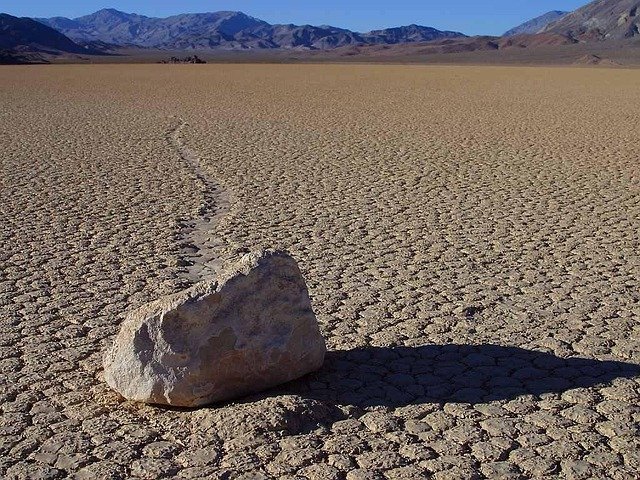
For decades, these rocks, some the size of a microwave oven, were believed to move under supernatural forces or magnetic fields. People even speculated that aliens might be involved. But in 2014, using time-lapse photography and GPS tracking, scientists finally cracked the mystery.
On rare occasions, a thin layer of water freezes overnight into a sheet of ice beneath the rocks. As the sun rises, the ice begins to crack and slowly drifts in the wind, pushing the rocks along the mud like little boats. It’s nature’s perfect blend of temperature, water, wind, and timing — something that might happen only once every few years.
Still, unless you’re extremely lucky, you’ll never witness it live. And that’s what makes it feel almost magical.
2. Fire Rainbows – When the Sky Looks Like It’s on Psychedelic Fire
You’re walking on a summer afternoon when suddenly, the clouds catch fire — but not in flames. They shimmer in neon pinks, oranges, and blues, like a sky painted with northern lights.
These rare light shows are called circumhorizontal arcs, more popularly known as fire rainbows. They occur when sunlight passes through ice crystals in cirrus clouds at very specific angles, usually when the sun is high in the sky — above 58 degrees.
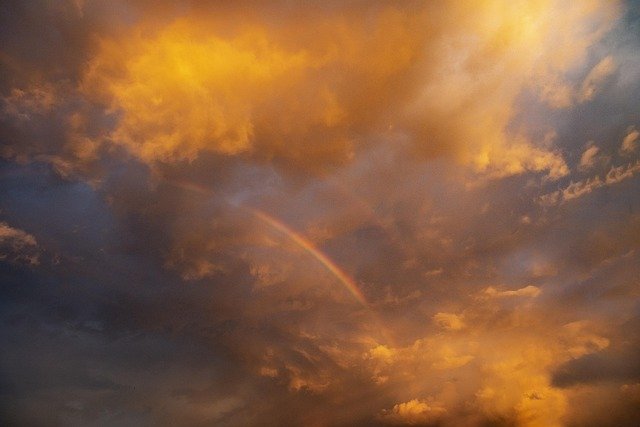
What makes fire rainbows particularly fascinating is their rarity. The atmospheric conditions need to be just right, which means some people may never witness them in their lifetime.
Unlike traditional rainbows, fire rainbows don’t arc across the sky. Instead, they appear as streaks of flame-like colors within clouds, giving them their mythical name.
Ancient cultures believed these were signs from gods or spirits. Today, we know the science — but the emotion they stir is pure wonder.
3. Glowing Beaches – Bioluminescent Waters That Sparkle Like Stars
Imagine walking along the shore, and with every step, the ocean glows beneath your feet. Each splash sparkles, each wave twinkles. It’s like swimming through stardust.
These magical scenes come from bioluminescent plankton, tiny marine organisms that emit light when disturbed. Found in places like Vaadhoo Island in the Maldives, Mosquito Bay in Puerto Rico, and parts of Andaman and Nicobar Islands in India, these glowing beaches attract photographers, romantics, and curious minds from around the world.
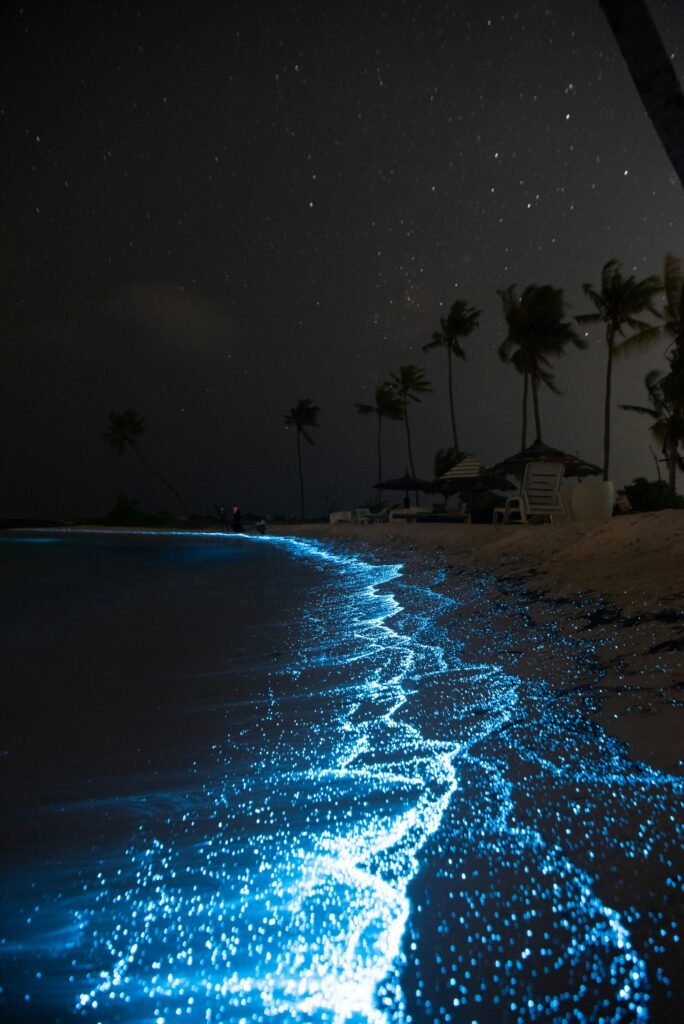
But what’s behind the glow?
When disturbed — by waves, a boat, or your hand — the plankton release energy in the form of light, a defense mechanism called bioluminescence. It’s the same phenomenon seen in fireflies and some deep-sea fish.
Interestingly, this light isn’t just beautiful — it can also be a signal of water quality or ecological health. But beyond science, standing in bioluminescent waves feels like you’ve stepped into another realm — where the ocean breathes light.
4. Blood Falls of Antarctica – A Frozen Waterfall That Bleeds Red
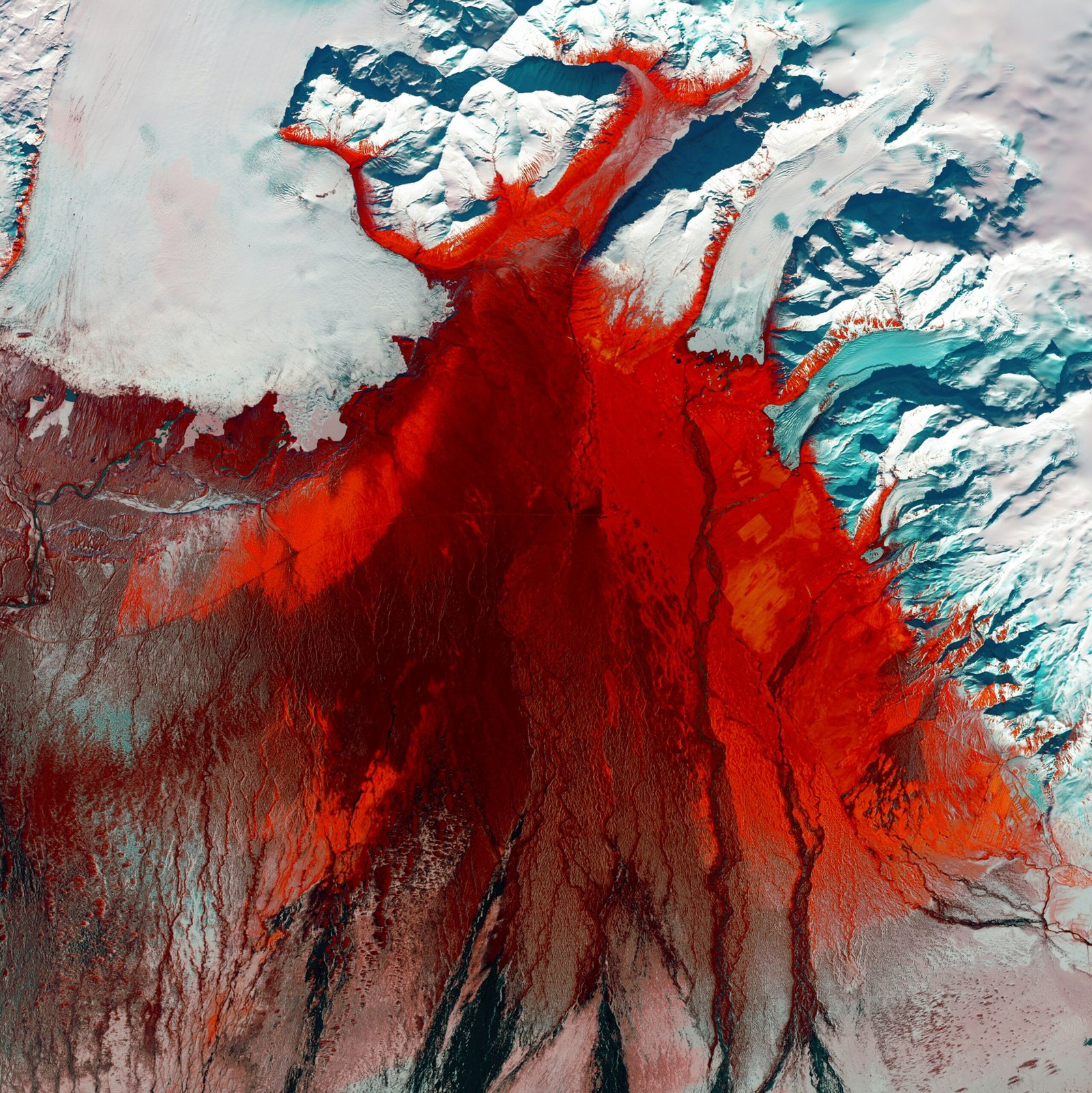
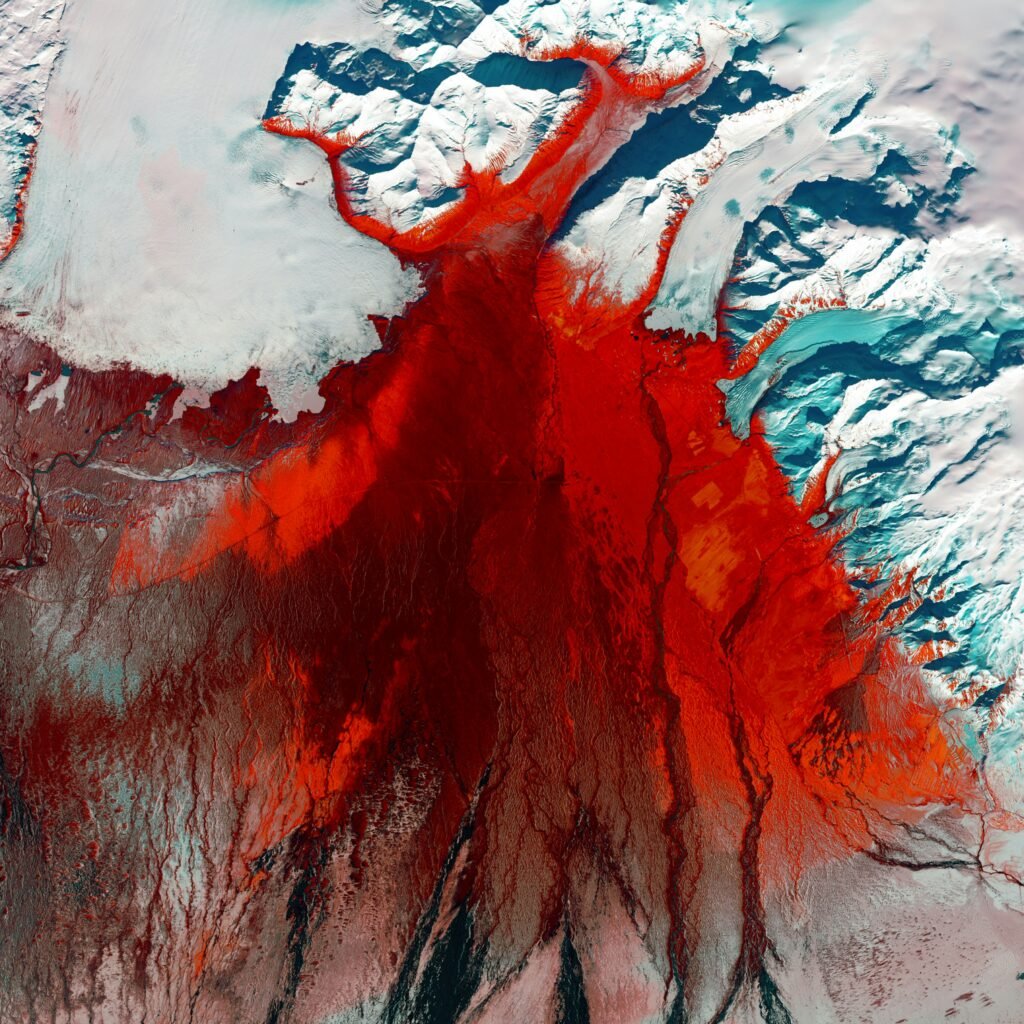
In the land of endless white and blue, a glacier suddenly “bleeds.” Blood-red water gushes from the ice, staining the snow below. It looks like a scene from a horror movie, but it’s entirely real.
Discovered in 1911, Blood Falls pours from Taylor Glacier in Antarctica’s McMurdo Dry Valleys. For decades, scientists believed the red color came from algae. But recent studies revealed a much more fascinating truth.
The water from Blood Falls comes from a subglacial lake trapped under the ice for over 2 million years. It’s rich in iron and devoid of oxygen. When this iron-rich water hits the open air, it oxidizes — just like rust forming on metal — turning the water a deep red.
This discovery opened a new window into studying extreme microbial life, which may help scientists understand potential alien life in icy worlds like Europa, one of Jupiter’s moons.
So yes, a bleeding glacier might just hold the secrets to life beyond Earth.
5. Lake Natron – The Lake That Turns Animals to Stone
This eerie lake in northern Tanzania seems calm and picturesque — until you notice the petrified birds along its shore. It’s as if they’ve been flash-frozen into statues.
Lake Natron is one of the most alkaline lakes on Earth, with a pH level as high as 10.5 — similar to ammonia. The lake’s water comes from hot springs and is rich in sodium carbonate and other minerals, making it extremely caustic.
But here’s where it gets stranger: the lake’s surface can reach temperatures of 60°C (140°F) during dry seasons, and its bright red color — caused by salt-loving microorganisms — gives it an otherworldly appearance.
When birds accidentally dive into the water, the extreme chemistry preserves their bodies in a mummified form, coated in layers of minerals. Wildlife photographer Nick Brandt famously captured these haunting images, showing birds turned to stone.
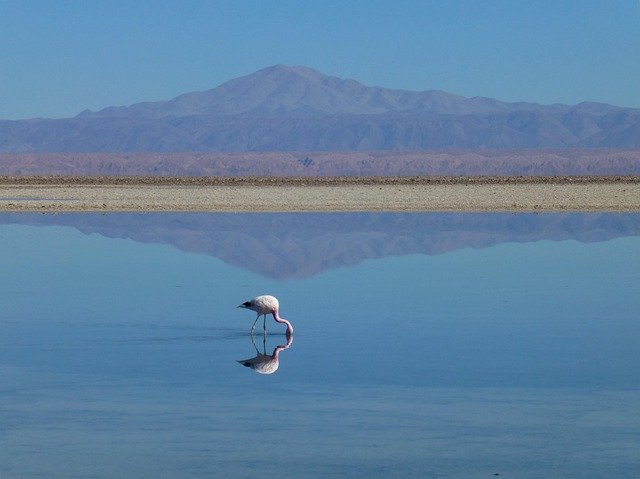
Ironically, Lake Natron is also a breeding ground for lesser flamingos, which have adapted to its harsh environment — showing that even the most deadly places on Earth can also be full of life.
Conclusion:
From moving rocks to glowing seas, bleeding glaciers to petrifying lakes — Earth is far more mysterious and surreal than most people realize.
While science may explain the “how,” these places remind us of the wonder, fragility, and power of nature. They make us pause and think — what else do we still not understand about our home planet?
Next time you step outside, remember: Earth doesn’t need fantasy or fiction.
It is the ultimate sci-fi story — still being written, still waiting to be explored.
Loved these nature facts? Subscribe to “Nature & Facts” to get mind-blowing science and wildlife stories!
Follow us on Medium, Facebook , X and WhatsApp to get daily updates & explore more!