10 Strange Animal Behaviors That Will Leave You Speechless
Uncover the wildest secrets of nature with these bizarre animal habits.
Have you ever witnessed a bird that moonwalks, or a jellyfish that cheats death?
Nature is not just beautiful—it’s wildly unpredictable. From tropical rainforests to the deepest oceans, animals around the world have evolved some truly bizarre behaviors to survive, attract mates, or communicate in ways we’re only beginning to understand. These strange animal behaviors aren’t fiction—they’re fascinating realities of the natural world.
Join us as we venture through 10 of the strangest, most mind-blowing animal behaviors ever discovered. Some will amaze you, others will warm your heart, and a few might just make you question – how?
1. Honeyguide Birds: Nature’s Unexpected Tour Guides
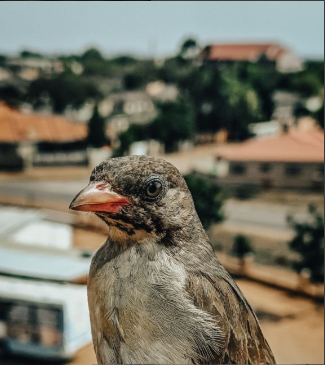
In the sun-drenched savannas of sub-Saharan Africa, an extraordinary alliance unfolds. A small brown bird called the Greater Honeyguide leads local tribespeople directly to hidden bee hives.
It flutters from tree to tree, chirping and pausing, ensuring the humans can follow.
But this isn’t a selfless act. Once the hive is cracked open and the honey is harvested, the honeyguide swoops in to feast—not on the honey, but on the delicious wax and bee larvae left behind.
This rare example of mutual cooperation between humans and wild birds is a living testament to how evolution can create unexpected partnerships across species.
2. Dancing Manakin Birds: Courtship Through Choreography
Deep within the vibrant rainforests of Central and South America, a tiny bird takes center stage. The male Manakin, dressed in bright feathers, puts on a spectacular show.
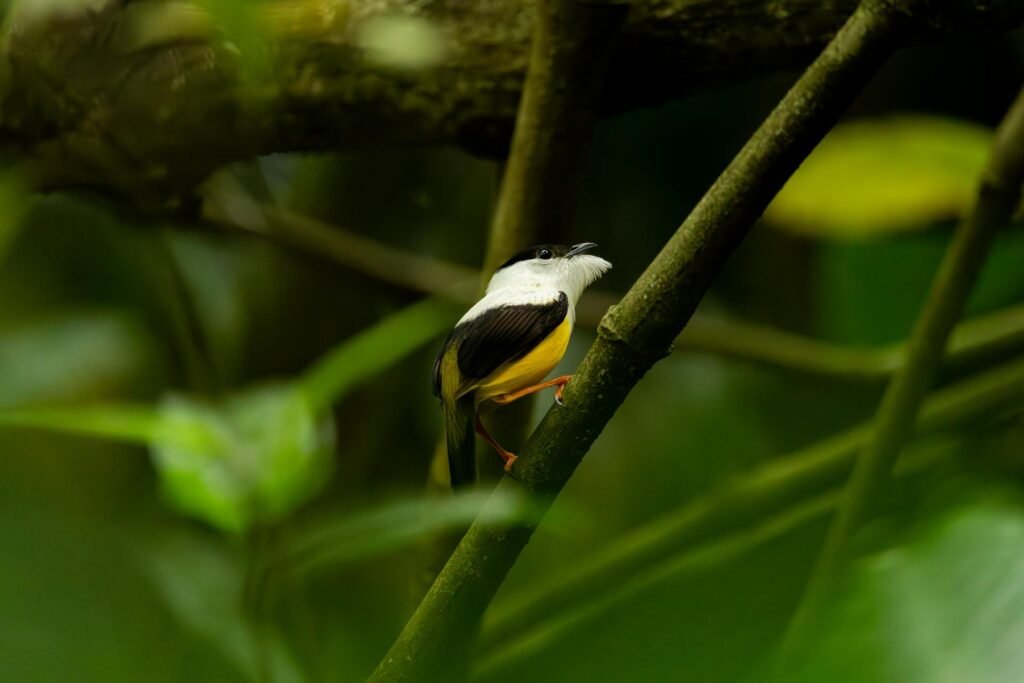
With a series of rhythmic hops, rapid wing snaps, and moonwalk-like slides, these birds perform intricate dance routines on thin branches—all in the hopes of impressing a watching female. It’s not just random movement; it’s a well-rehearsed courtship dance, passed down through generations. Only the most skillful dancers are chosen as mates, proving that in the world of Manakins, being flashy pays off.
3. Sea Otters Holding Hands: Nature’s Floating Families
Imagine a calm ocean at dusk. On the surface floats a group of adorable sea otters, gently drifting on the waves. But look closer—and you’ll see something heartwarming.
The otters are holding hands.
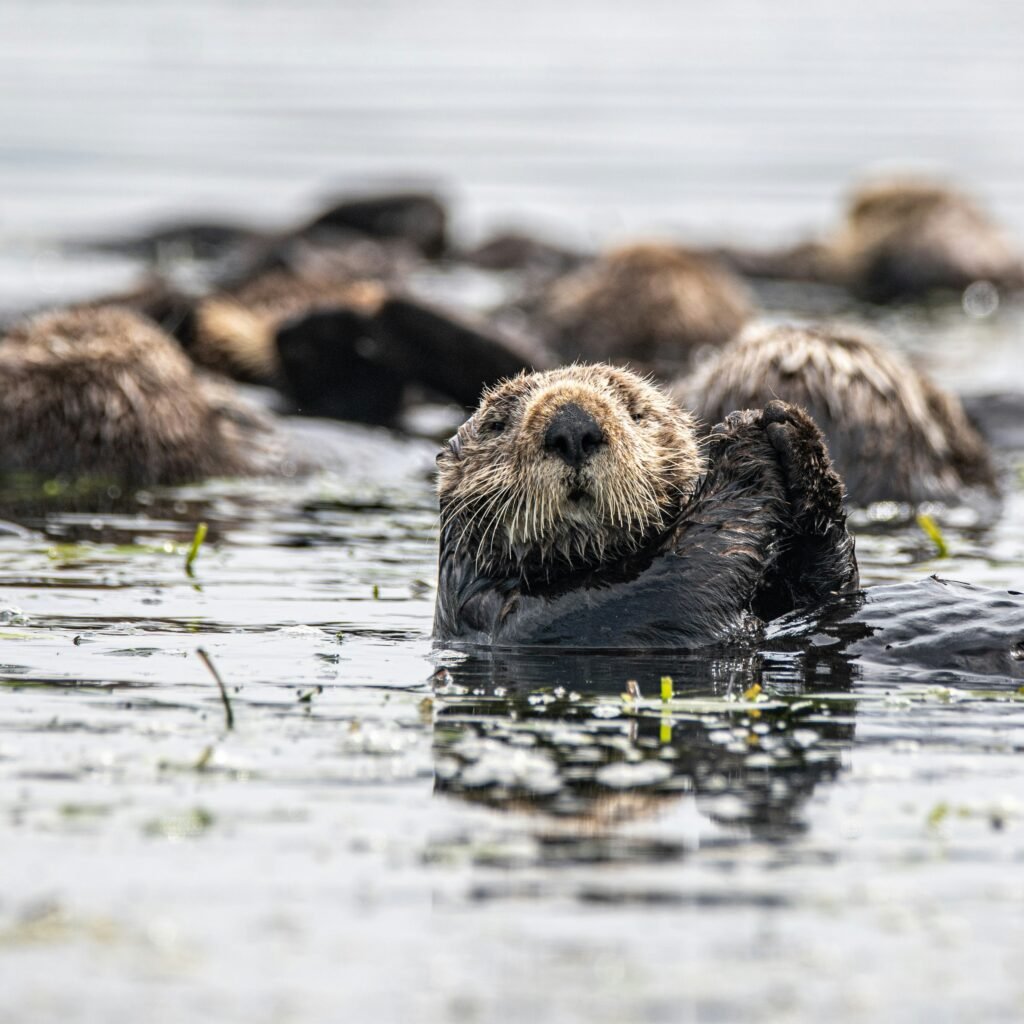
This behavior, common among sea otters off the coasts of North America, is both touching and practical. By holding paws, they form floating rafts that prevent them from drifting apart while sleeping. It’s a survival tactic rooted in social bonding—and perhaps one of the most endearing animal behaviors ever documented.
4. Capuchin Monkeys: Tool Use That Rivals Early Humans
In the dense forests of South America, capuchin monkeys exhibit a surprising level of intelligence. These clever primates have mastered the art of tool use.
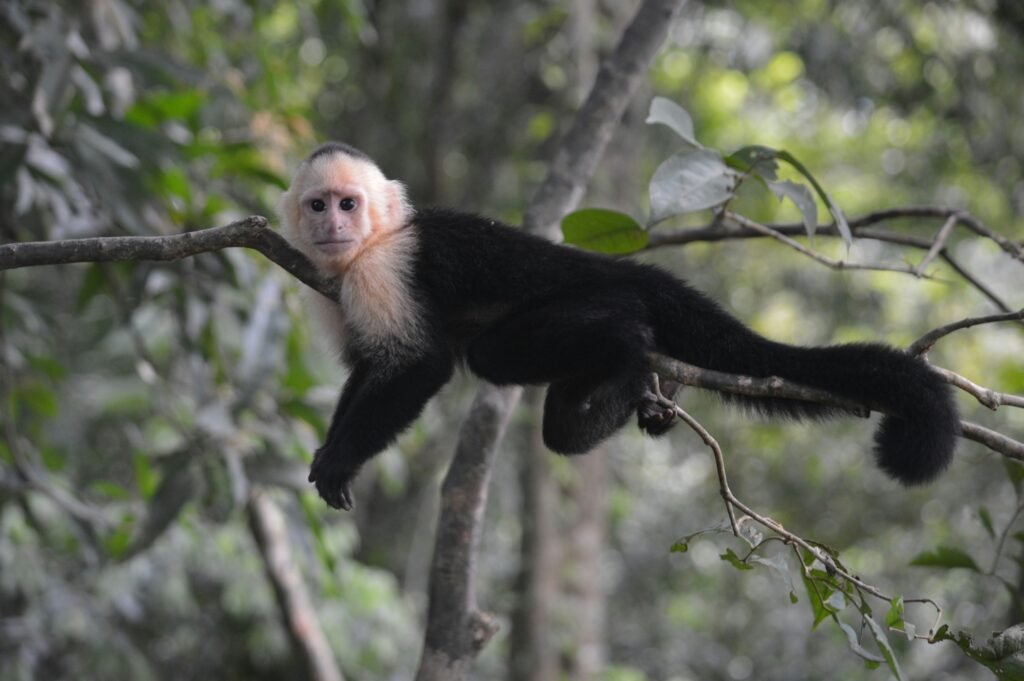
They carefully select large stones to use as hammers and flat rocks as anvils. With patience and precision, they crack open hard-shelled nuts—something that takes years for young capuchins to perfect.
This sophisticated behavior once thought exclusive to early humans shows the complex problem-solving abilities of non-human primates and redefines what we consider animal intelligence.
5. Elephants Mourning the Dead: Emotional Giants of the Wild
Few animals experience grief like elephants.
When a member of the herd dies, elephants have been observed approaching the body, touching it with their trunks, standing silently, or gently rocking back and forth.
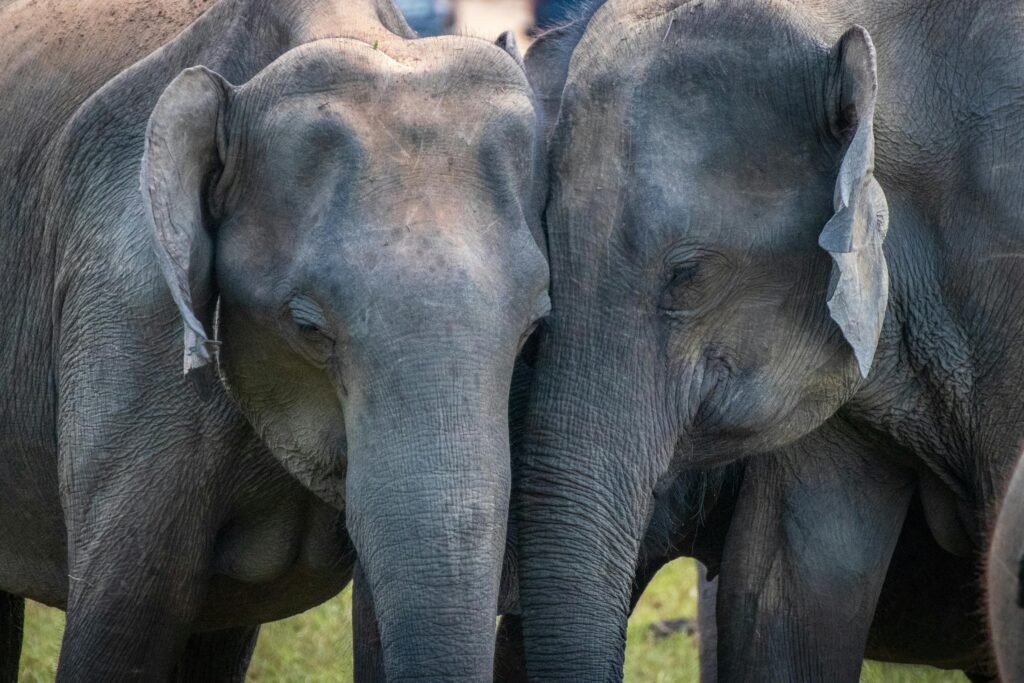
Even more astonishing, they return to the bones of deceased companions years later—as if paying tribute. This profound behavior reveals the emotional depth and memory capacity of elephants, drawing eerie parallels to human mourning rituals.
6. Lyrebirds: The Ultimate Nature Mimics
In the eucalyptus forests of Australia, the lyrebird—named for the shape of its tail—hides a remarkable superpower. It’s not its plumage, but its vocal mimicry.
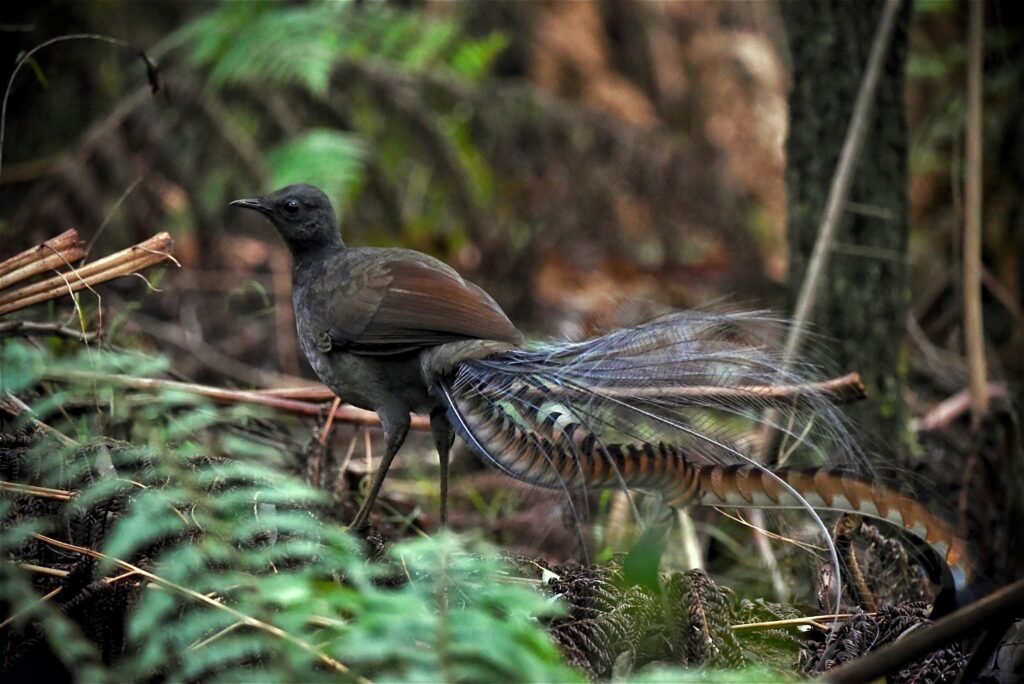
This avian impersonator can imitate nearly any sound it hears. Chainsaws, car alarms, camera shutters—even other bird species and human speech—all become part of the lyrebird’s song. Why? Mostly for love. Male lyrebirds incorporate these sounds into their songs to attract mates and defend territory, making them the greatest vocal performers in the animal kingdom.
7. Dolphins Getting ‘High’ on Pufferfish
In the shimmering waters of the tropics, dolphins exhibit an astonishingly curious behavior. Groups of juvenile dolphins have been filmed gently passing a pufferfish around—almost like a toy.
But this isn’t play. When threatened, pufferfish release a mild neurotoxin. In small doses, this toxin appears to induce a trance-like state in the dolphins. They seem to become calm, almost hypnotized, floating just below the surface.
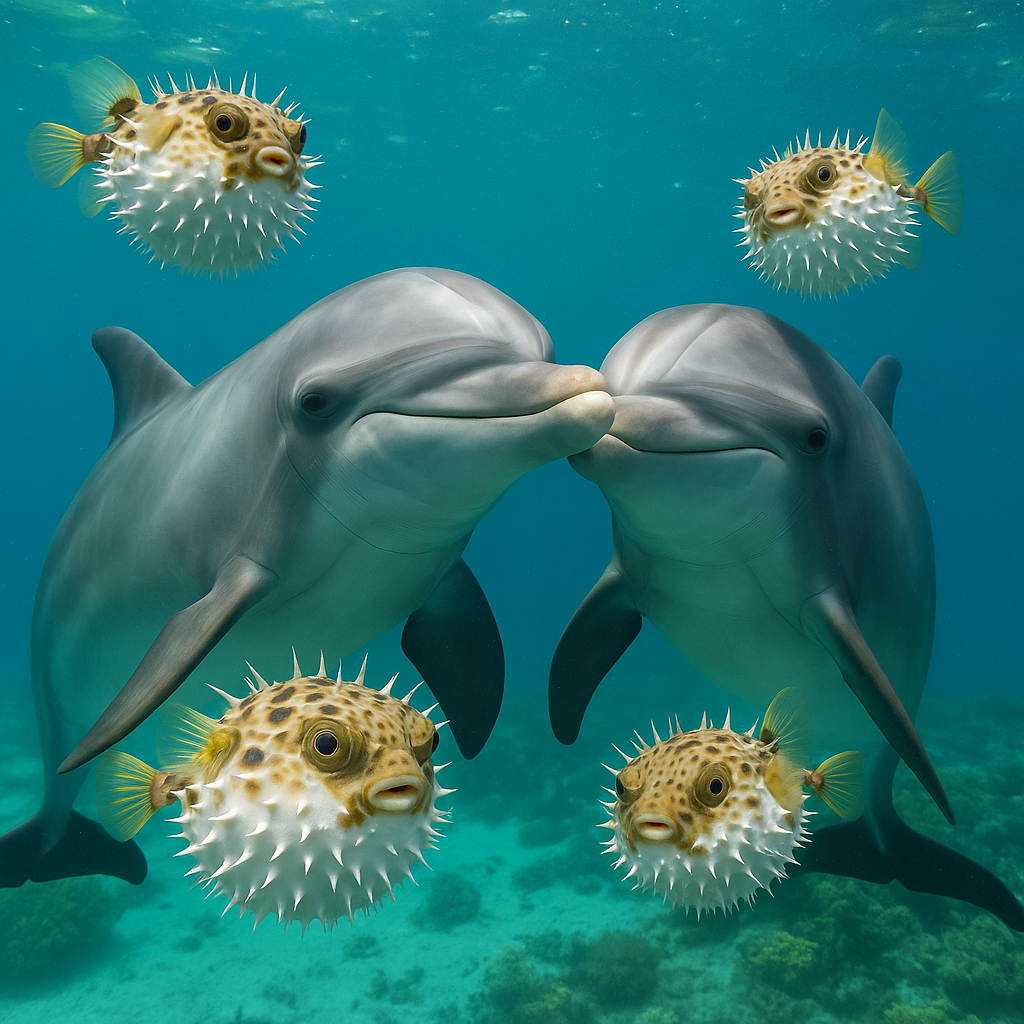
Whether this is intentional or coincidental is debated, but it hints at recreational behavior in marine mammals, suggesting a level of consciousness and social play far more advanced than once believed.
8. Tennessee Fainting Goats: Frozen in Fear
In quiet American farms, the Tennessee fainting goat appears like any other—until it gets startled.
Suddenly, its muscles stiffen, and it topples over, legs frozen in mid-air.
This strange behavior is caused by a genetic condition called myotonia congenita. While it may look alarming (or even comedic), the goats recover quickly and aren’t harmed.
Scientists believe this condition may have helped protect flocks in the wild—confusing predators by sacrificing the slowest goat while the rest escape. A bizarre form of evolutionary sacrifice.
9. Crows Holding Grudges: Memory That Lasts a Lifetime
Crows are not just smart—they’re astonishingly vengeful.
In various studies, researchers wearing masks that had once trapped or harassed crows were attacked by flocks years later—despite not having interacted with the birds in the interim.
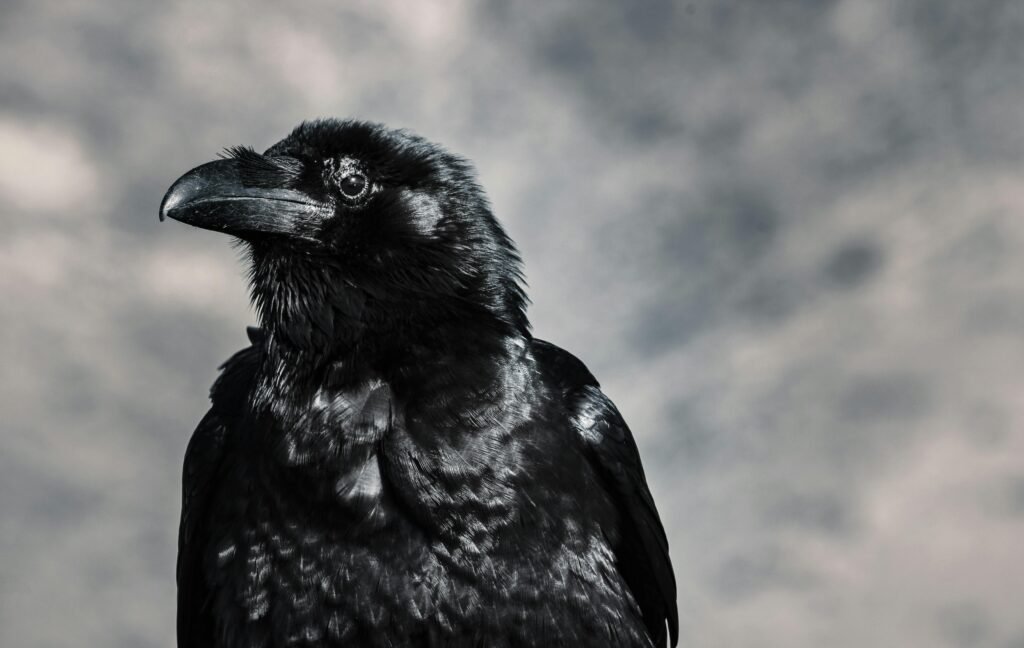
Even more incredible, the crows passed on their knowledge of these “enemies” to other crows who weren’t even there. It’s a behavior that reveals both long-term memory and complex social intelligence rarely seen outside humans.
10. The Immortal Jellyfish: Nature’s Fountain of Youth
Somewhere in the dark depths of the ocean, a tiny jellyfish defies the laws of biology. The Turritopsis dohrnii, commonly called the immortal jellyfish, can do something no other known animal can:
It can reverse its aging process.
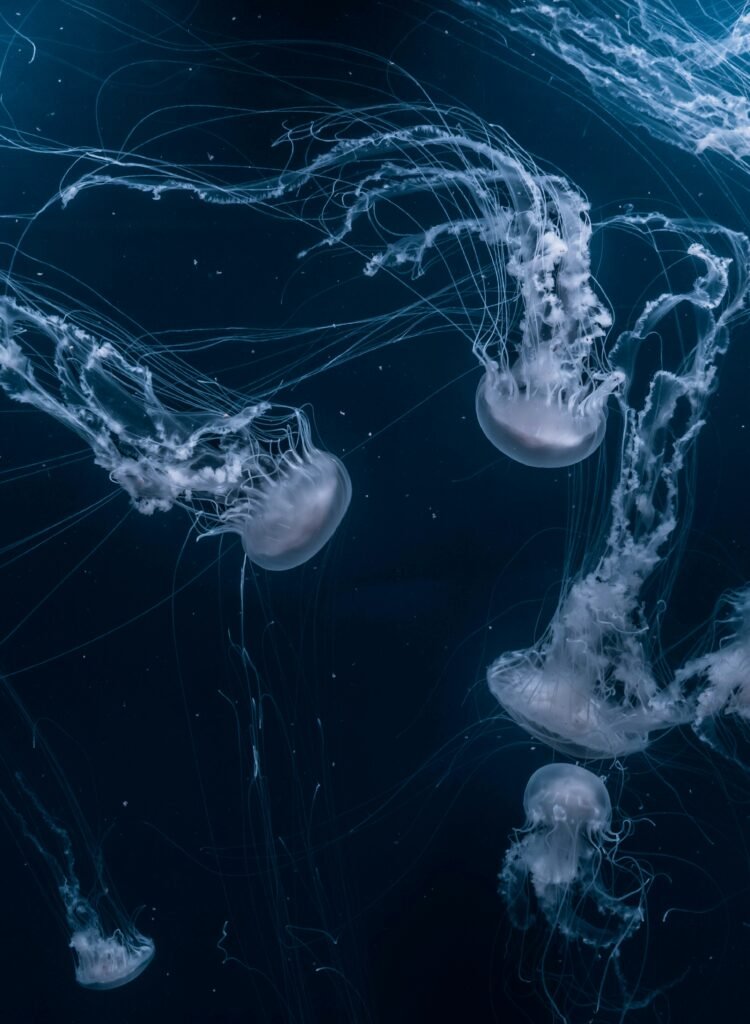
When injured or threatened, it reverts its cells to an earlier developmental state, essentially transforming back into a polyp—its juvenile form. From there, it begins life anew. This process can theoretically continue indefinitely, giving the jellyfish biological immortality. It’s one of the greatest marvels in nature, and scientists are racing to understand what secrets it might unlock for human aging.
Nature’s Unwritten Script
From dancing birds to jellyfish that live forever, the animal kingdom continues to surprise us with behaviors that challenge our understanding of life itself. Each of these strange and spectacular animal behavior offers a glimpse into the complexity of evolution, intelligence, emotion, and survival in the wild.
So the next time you observe a bird chirping in your backyard or see a monkey at the zoo, remember—there may be much more going on than meets the eye.
Stay curious. Keep exploring. Because in nature, the truth is often stranger than fiction.